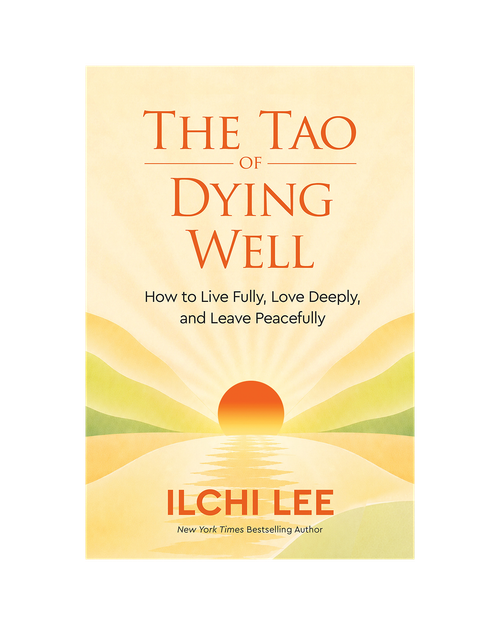
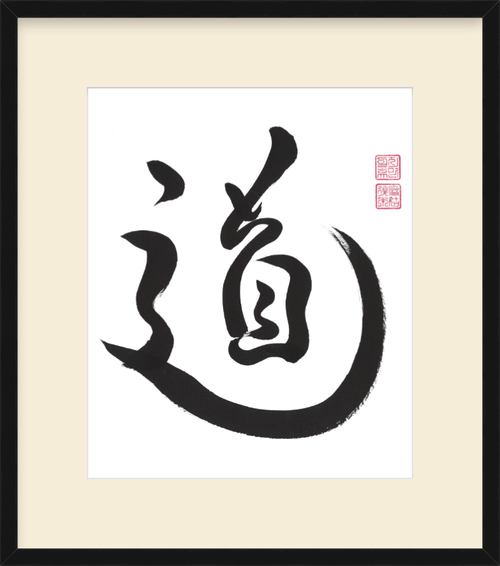
A profound new vision of death—not as the opposite of life, but as its completion.
The Tao of Dying Well is not only about preparing for death. It is an invitation to become more fully alive—to clarify what matters, release fear and regret, and live with greater freedom, purpose, and peace.
Drawing from Korea’s ancient wisdom and the philosophy of life completion, New York Times bestselling author Ilchi Lee offers timeless wisdom and practical guidance for approaching the final stage of life with clarity and compassion.
Inside this book, you’ll discover:
- A new understanding of death as part of a complete life
- The Korean philosophy of Chunhwa, or life completion, and how it can transform the way you live
- How to support a loved one through their final days
- Practical exercises for releasing fear, regret, and attachment
- A step-by-step process for designing your own life completion
Whether you are reflecting on your own life, caring for someone you love, or seeking a more meaningful way to live, this book will help you face death with less fear and embrace life more fully.
“A wise, necessary, and masterfully written book.”
—Emeran A. Mayer, MD, author of The Mind-Gut Connection
“As I turned the last page, I found peace.”
—Cyndi Dale, author of The Subtle Body
“Its wisdom invites us to live more deeply and be fully present for those we love.”
—Anita Hannig, author of The Day I Die
“A clear and heartfelt guide to help smooth the way back home.”
—Daniel Reid, author of The Tao of Health, Sex, and Longevity
Live fully. Love deeply. Leave peacefully.
About the Author
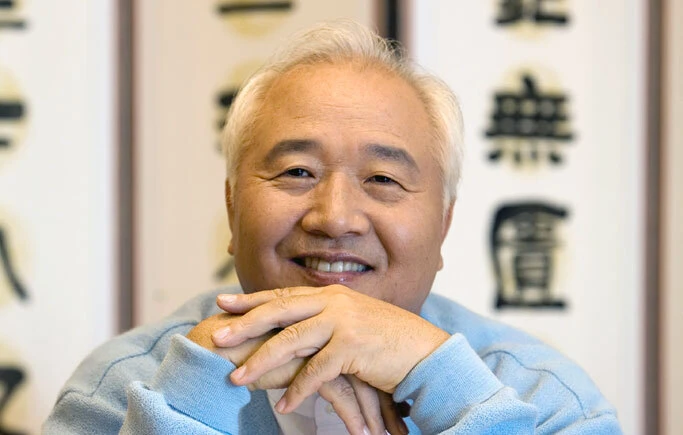
Ilchi Lee is a New York Times bestselling author, educator, and founder of Body & Brain practice and Brain Education. Through his books, teachings, and humanitarian work, he has inspired millions of people around the world to cultivate lasting health, inner peace, and their fullest potential.
He is the author of more than 40 books, including The Call of Sedona and I've Decided to Live 120 Years.
Excerpt. © Reprinted by permission. All rights reserved.
My mother passed away at 82, my father at 95. Both were my teachers, showing me two different faces of death.
As she approached her 80s, my mother suffered a fall that left her bedridden for the rest of her years. She had always been spirited and strong-willed, more diligent than anyone I knew. Watching her endure days when she had to rely on others even for the most basic things was not easy.
My mother never seemed able to make peace with the final years of her life. When she passed away, I felt a sense of relief. She was finally released from the long ordeal of her later years and could rest at last.
My father’s ending was different. His body grew weaker with age, but he lived without serious illness and passed peacefully in a way that surprised everyone around him. I spent the two weeks before his passing by his side, watching as his life gradually drew to a close. He had long been ready. He said he had lived without regret, that he was content, and then he simply let go.
In the years that followed, several others who had walked a long road with me also passed away. Their endings were different, but the lesson they left behind was the same. Life always comes to an end, and meeting that end unprepared can leave us shaken. A good death does not happen by chance; it requires preparation.
And in the end, that preparation comes down to one question: How have I lived? A good death grows from a life well lived. And a good life cannot be completed while turning away from death.