

Posted by Kris Allo on Oct 31st 2026
Beyond Halloween: Contemplating Life, Death, and Legacy
Are you familiar with where Halloween comes from? If not, you might think the costumes, jack-o-lanterns, and trick-or-treating are quite strange when you think about it. But the origins of the holiday—ancient Celtic traditions, and later, Christian influences—not only seem to explain some of the customs, but also point to a deeper meaning for the season.
The Origins of Halloween
The Celts marked their new year on November 1, the end of the harvest and the start of the cold, dark winter. The night before was Samhain, a festival when the boundary between the living and the dead was believed to grow thin, allowing spirits to return. People lit bonfires and wore animal skins or disguises, possibly to protect themselves from wandering spirits.
Christianity added its own layers. By the eighth century, the Church had established All Saints’ Day on November 1, and the evening before became All Hallows’ Eve, which eventually turned into Halloween. The day after, All Souls’ Day, is for remembering the faithful departed. In medieval England and Ireland, children and the poor went door to door asking for “soul cakes”—small, round treats spiced with cinnamon, nutmeg, and raisins. In exchange, they promised prayers for the household’s deceased relatives.
Remembering the Dead
For many families, remembering the dead looks similar: things like visiting cemeteries, placing flowers on graves, lighting candles, leaving food for ancestors. Some churches keep books of remembrance, recording the names of those who have died so they can be included in prayer.
The impulse to remember those who have passed on extends far beyond European and Christian traditions. Cultures around the world have their own rituals and holidays for honoring the dead, and many of them also happen around this time of year. The customs vary, but they share a sentiment: “You mattered, and we haven’t forgotten.”
Remembrance also points toward a question that reaches beyond any one religion or tradition: What makes a life worth remembering?
We might also turn the question back to ourselves: What will someone remember about you when you’re gone?
The Legacy We Create Every Day
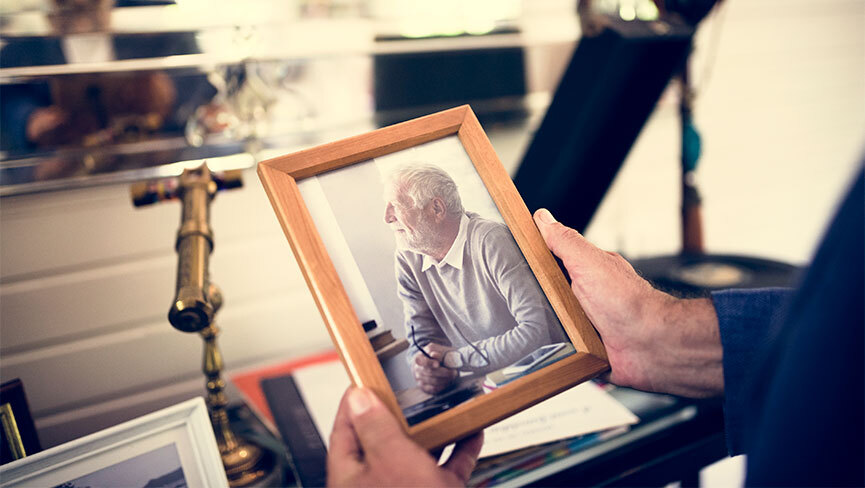
If you picture someone you love who has died, what do you remember about them? Sometimes, we remember big things they did for us or accomplished in their life, but it’s probably more common that we remember the little things, and what it was like to be around that person.
We will all eventually leave someone behind, and leave them to remember us in their own way. The legacy we leave gets built in the accumulation of small moments, long before the end. It’s shaped by who we choose to be and how we live each day.
Who you are shows up in the big things as well as what you do on an ordinary Tuesday, and the people watching are learning from it, whether you mean to teach them or not. You will probably never know the full impact you have on people. The important thing is to live as true to yourself as you can, every day.
What Death Can Clarify
Awareness of death can be a gift. Thinking about it gives us a chance to look at our own lives more honestly. Think about what a deadline does. The night before a trip, you know exactly what goes in the suitcase. The vague pile of things you “should” do sorts itself into what’s essential and what only seems urgent but really isn’t.
Who deserves more of your attention this week? What have you been putting off that you’d hate to never have started? What are you holding on to that doesn’t really matter?
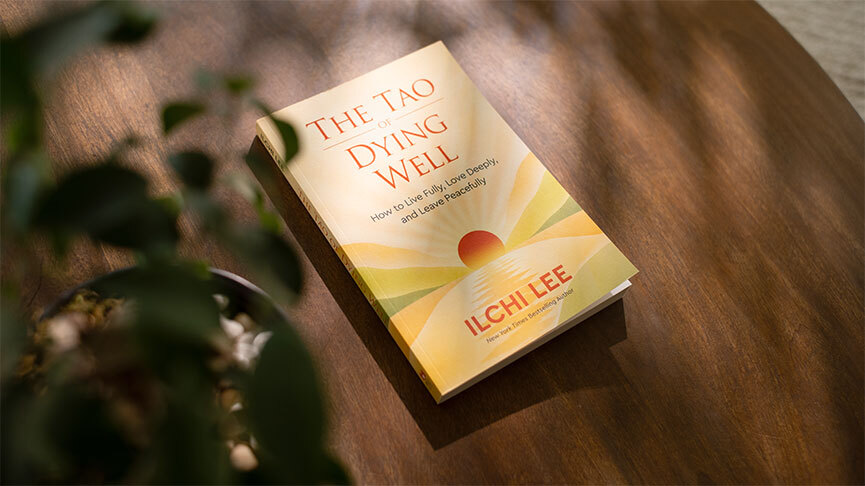
In his new book The Tao of Dying Well: How to Live Fully, Love Deeply, and Leave Peacefully, Ilchi Lee says that looking at death changes how we measure a life. The broader culture teaches us to measure it by success in external things: the degree, the career, the home, the goals reached. None of that is wrong, but it’s only the surface level, what’s seen on the outside.
In Ilchi Lee’s Sundo spiritual tradition, there is a different measure called completion. Completion is what we want to aim for when we reach the end of life. It is judged from the inside: Did I live according to what truly mattered to me?
Ilchi Lee watched his own parents reach the end of their lives. His mother spent her last years struggling to find true peace. His father said he had lived without regret, and he let go easily. Seeing the contrast between the two made him look closely at the connection between how we die and how we live.
While the Days Are Still Yours
So this Halloween season, after you’ve enjoyed the pumpkins and the cute kids dressed up like ghosts, you might spend some time reflecting on these deeper questions about your life. Are you just going through the motions, or are you truly living a life that will feel like completion when you get to the end?
The Tao of Dying Well can help you explore these questions. Chapters like “The Body Departs but Spirit and Values Remain” and “Create Your Own Life Completion Ceremony” look at what continues once you’re gone and invite you to design your final chapter on your own terms.
And if someone you love is nearing the end of life, the final section, “A Companion’s Guide: How to Be Present for the Final Moments of a Loved One,” is written for you.
Get The Tao of Dying Well here.